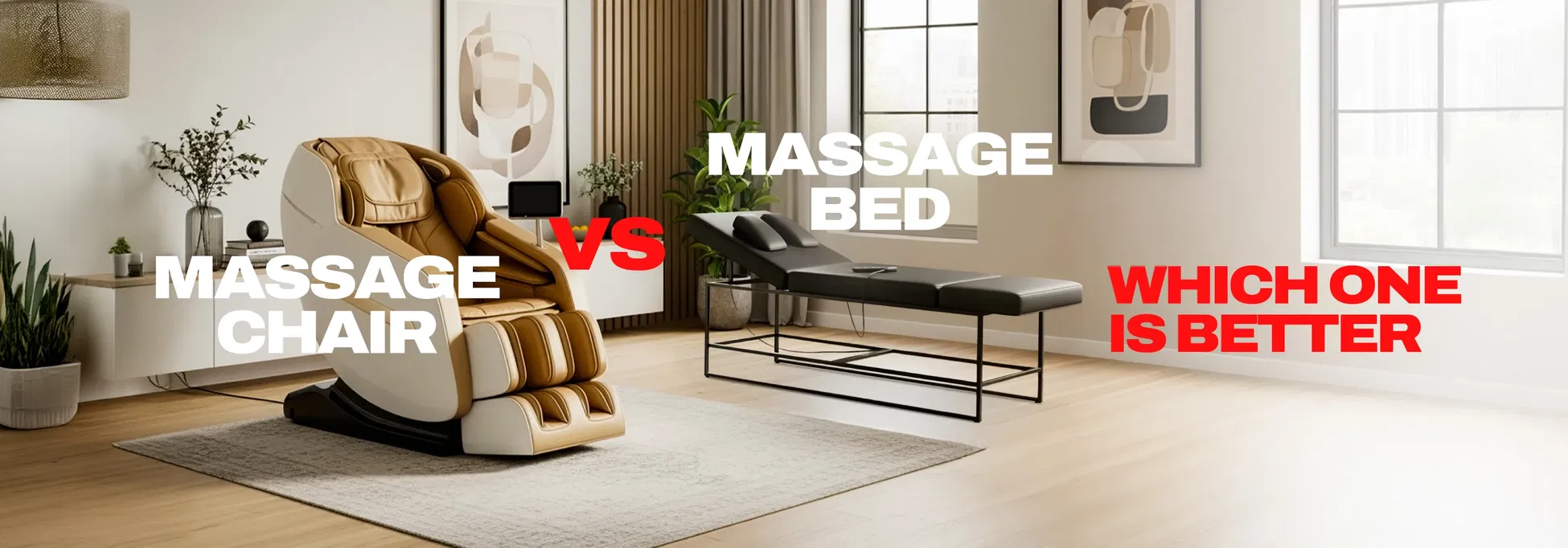
Massage Chair vs Massage Bed - Which one is Better?
The quest for ultimate relaxation at home has led many people to consider investing in professional-grade massage equipment. Two popular options dominate the market: the massage chair and the massage bed. Both promise to deliver therapeutic benefits and stress relief, but which one deserves a spot in your home?
Choosing between these two massage solutions requires careful consideration of your specific needs, available space, budget, and wellness goals. This comprehensive comparison will help you make an informed decision by examining the key differences, advantages, and drawbacks of each option.
Understanding the Massage Chair
The massage chair has evolved significantly from its early mechanical predecessors. Modern massage chairs incorporate advanced technology including 3D and 4D massage mechanisms, zero-gravity positioning, heat therapy, and customizable programs. These sophisticated recliners target specific pressure points along your spine, neck, shoulders, and legs using various massage techniques like kneading, tapping, rolling, and shiatsu.
High-end massage chairs feature body scanning technology that maps your unique body dimensions and adjusts the massage accordingly. Many models include Bluetooth connectivity, built-in speakers, and smartphone app control, transforming your massage experience into a multi-sensory relaxation session.
Understanding the Massage Bed
The massage bed, also known as a massage table or therapeutic bed, offers a different approach to at-home massage therapy. These flat surfaces provide full-body access and often incorporate features like adjustable height, heating elements, and vibration motors. Some models include specialized attachments for targeted therapy or accommodate massage accessories like hot stones or aromatherapy diffusers.
Professional-grade massage beds mirror the equipment used in spas and massage therapy clinics, making them ideal for those who prefer the traditional massage table experience or plan to receive massages from a partner or professional therapist.
Massage Chair vs Massage Bed - A Comparison
| Feature | Massage Chair | Massage Bed |
|---|---|---|
| Space Requirements | Vertical footprint, requires clearance for reclining | Horizontal footprint, needs room to walk around |
| Massage Coverage | Primarily back, neck, shoulders, legs | Full body access from all angles |
| Technology Integration | Advanced (body scanning, apps, AI) | Basic to moderate (heating, vibration) |
| Setup Complexity | Plug and play | May require assembly and positioning |
| Professional Use | Personal use only | Accommodates professional therapists |
| Storage | Permanent fixture | Some models fold for storage |
| Price Range | AED 3,000 - AED 50,000+ | AED 1,500 - AED 8,000+ |
| Power Requirements | Standard electrical outlet | Standard electrical outlet |
Massage Chair Advantages & Disadvantages
Advantages
- 24/7 Availability - Enjoy massages anytime without scheduling appointments or depending on others for assistance.
- Space-Efficient Design - Vertical footprint makes them suitable for apartments and smaller living spaces.
- Advanced Technology - Features like body scanning, zero-gravity positioning, and customizable programs deliver personalized therapy.
- Consistent Performance - Automated programs provide reliable, repeatable massage experiences every time.
- Long-term Cost Savings - Unlimited use after initial purchase eliminates ongoing therapy costs.
Disadvantages
- High Initial Investment - Quality massage chairs cost several thousand dollars, making them a significant purchase decision.
- Limited Body Coverage - Primarily focuses on back, neck, and legs while leaving arms and chest largely untreated.
- Mechanical Feel - Some users find automated massages less satisfying than human touch and personalized therapy.
- Fixed Design Limitations - Predetermined programs may not address specific problem areas as effectively as customized treatment.
- Maintenance Requirements - Complex mechanical systems may need periodic servicing and repairs over time.
Massage Bed Advantages & Disadvantages
Advantages
- Full-Body Access - Provides unrestricted access to entire body for comprehensive massages addressing every muscle group.
- Human Touch Experience - Replicates the spa experience with personalized, adaptive massage techniques from real therapists.
- Versatile Therapy Options - Accommodates hot stone therapy, aromatherapy, and specialized massage tools seamlessly.
- Professional Compatibility - Enables massage therapists to work effectively and provide customized treatments.
- Lower Entry Cost - Basic models start around AED 899, making them more accessible than premium massage chairs.
Disadvantages
- Requires Another Person - You need a partner or professional therapist to provide massages, limiting spontaneous use.
- Large Space Requirements - Needs significant floor space plus walking room on all sides for effective operation.
- Setup and Storage Challenges - Portable models require assembly/disassembly, while permanent installations need dedicated space.
- Ongoing Costs - Professional massage sessions can cost AED 250-500 each, adding up quickly over time.
- Limited Solo Use - Difficult to give yourself effective massages without assistance from others.
Cost Considerations
Budget plays a crucial role in choosing between a massage chair and a massage bed. Entry-level massage chairs start around AED 3,150 (like the Nourest Nexo SL-Track) but quickly escalate to AED 36,799 or more for premium models with advanced features. High-end massage chairs with cutting-edge technology can exceed AED 45,000.
The massage bed generally costs less upfront, with basic models starting around AED 1,500 and professional-grade therapeutic beds reaching AED 8,000. However, the total cost of ownership differs significantly when you factor in ongoing expenses.
The massage chair provides unlimited use after the initial purchase, while the massage bed may require hiring professional therapists for optimal benefits. Regular professional massages can cost AED 220-440 per session, potentially making the long-term investment in a quality massage chair more economical for frequent users.
Space and Practical Considerations
Evaluate your available space carefully before making a decision. The massage chair requires vertical clearance for full reclining and needs accessible electrical outlets. Consider the chair's dimensions when fully extended, as many models require 6-8 feet of total length.
The massage bed needs adequate floor space plus walking room on all sides for effective use. A standard massage bed requires approximately 8x4 feet of floor space, plus additional room for the person providing the massage to move around comfortably.
Think about the room's primary function and how often you'll use the massage equipment. A massage chair in a family room serves double duty as comfortable seating, while a massage bed typically serves a single purpose and may need storage when not in use.
Making Your Decision
Your lifestyle and massage preferences should guide your choice between these options. Choose a massage chair if you value convenience, want regular access to massage therapy, prefer technological features, or have limited space. The massage chair works best for individuals who enjoy the automated experience and don't mind the mechanical feel.
Opt for a massage bed if you prefer human touch, want full-body massage coverage, have adequate space, or plan to share the massage experience with others. The massage bed suits people who enjoy giving and receiving massages as a shared activity or those who regularly book professional massage services.
Consider your long-term goals as well. If you're dealing with chronic pain or stress and want consistent therapeutic benefits, a massage chair's convenience may encourage more frequent use. If you view massage as an occasional luxury or bonding activity, a massage bed might better serve your needs.
 مساعدة