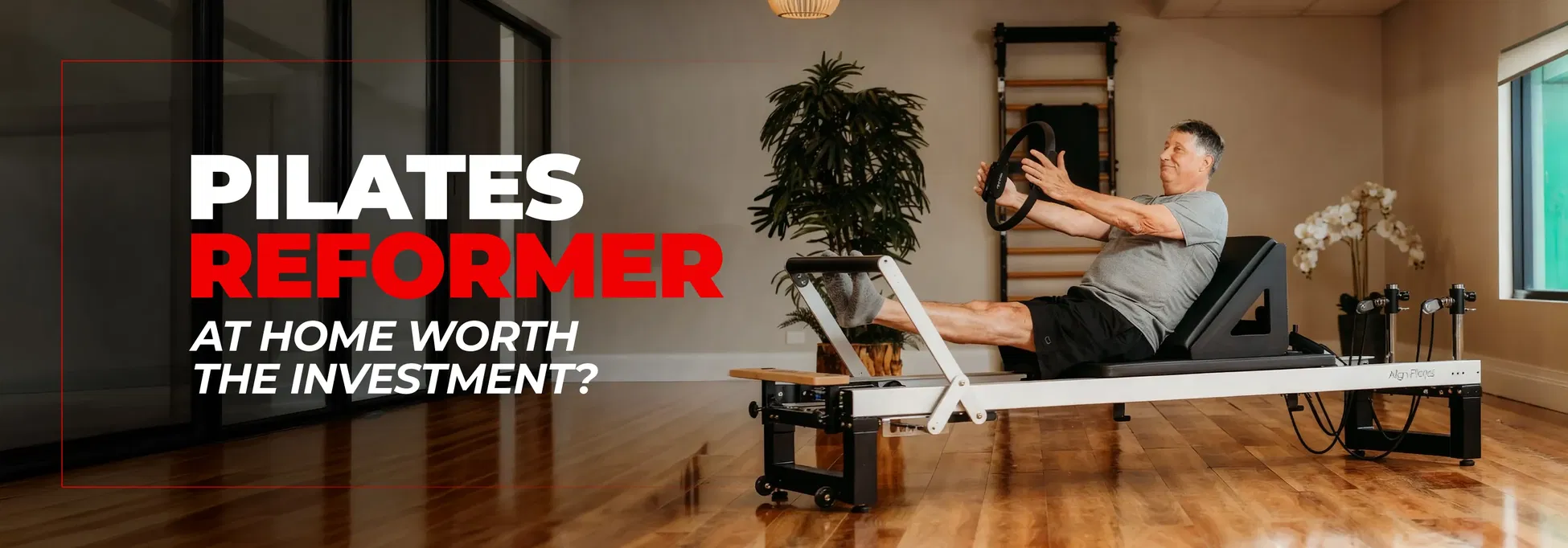
Pilates Reformer at Home: Worth the Investment?
Imagine transforming a corner of your home into a personal pilates studio, where you can sculpt your body, boost flexibility, and find calm without stepping out the door. A pilates reformer is a sleek, spring-loaded machine that looks like a bed with straps and pulleys. People rave about their at-home reformers, swearing by the strength and serenity they gain from daily sessions. But with a significant upfront cost and space requirements, is owning a pilates reformer really worth it? This article breaks down the benefits, challenges, and long-term value of bringing a reformer into your home, helping you decide if it's a smart fitness investment for your lifestyle.
What is a Pilates Reformer?
A pilates reformer is a versatile piece of equipment designed to enhance Pilates workouts through resistance-based exercises. It features a sliding carriage, adjustable springs for varying resistance, straps, and a footbar, allowing for hundreds of movements that target strength, flexibility, and balance. Unlike mat pilates, which relies on body weight, the reformer adds controlled resistance, making workouts more dynamic and adaptable. You can lie, sit, or stand on it, performing exercises that engage every muscle group, from your core to your glutes. Its versatility makes it appealing, but the investment (both financial and spatial) requires careful consideration.
The Health Benefits of a Home Pilates Reformer
A reformer delivers a low-impact, high-reward workout that suits beginners and seasoned athletes alike. Here's why it's a health game-changer:
- Core Strength and Stability: The reformer's resistance challenges your core in every move, building a strong midsection. Studies show pilates improves core endurance, reducing back pain risk by up to 40%.
- Full-Body Toning: From lunges to leg circles, the reformer targets arms, legs, and glutes, creating lean muscle without bulk. It improves posture after just a few sessions.
- Flexibility and Mobility: The smooth, controlled movements stretch muscles and improve joint range, perfect for countering sedentary lifestyles. Regular use can boost flexibility by 10'20%.
- Low-Impact Joint Health: Unlike running, reformer workouts are gentle on knees and hips, making them ideal for injury recovery or older adults. My aunt, in her 50s, swears her reformer keeps her arthritis in check.
- Mental Wellness: The focus on breath and precision reduces stress, with users reporting lower anxiety levels after sessions, according to mindfulness studies.
These benefits make the reformer a powerhouse for physical and mental health, especially if you crave variety without joint strain.
Cost vs. Savings: The Financial Breakdown
The biggest question is whether a reformer pays for itself. Pilates studio classes can be pricey, often charging per session or monthly memberships that add up quickly. A home reformer eliminates these recurring costs, but the upfront price can be daunting. Here's how it stacks up:
- Upfront Investment: Reformers range from basic models for budget-conscious buyers to premium versions with advanced features. Additional costs include mats or accessories like resistance bands.
- Savings Over Time: If you replace studio classes, a reformer can break even in 6'18 months, depending on how often you attend classes. For example, skipping weekly sessions saves thousands annually.
- Longevity: Quality reformers last 10'20 years with proper care, like cleaning the carriage and checking springs. This durability boosts their return on investment (ROI).
I know someone who ditched studio classes for a home reformer and recouped their cost in under a year, now enjoying free workouts for years to come.
Space and Setup Considerations
Before buying, assess your home's layout. Reformers are larger than a yoga mat, typically 2'2.5 meters long and 60'70 cm wide, needing extra clearance for arm and leg movements. Small apartments may struggle to accommodate one, while larger homes can dedicate a corner or spare room.
- Foldable Options: Some reformers fold or have wheels for storage, ideal for tight spaces. Check dimensions when collapsed to ensure it fits under a bed or in a closet.
- Setup Needs: A flat, stable surface is key'carpet or wood floors work well with a mat to reduce noise. Ensure good ventilation, as workouts can get sweaty.
- Safety Tip: Leave 1'2 meters of open space around the reformer to avoid bumping walls or furniture during dynamic moves.
Time Commitment and Learning Curve
Using a reformer at home requires time to learn proper form, especially if you're new to Pilates. Incorrect technique can reduce benefits or cause minor strains. Online videos or apps can guide you, but they're no substitute for an instructor's feedback.
- Learning Resources: Free YouTube channels or paid Pilates apps offer beginner-friendly routines. Start with 10'15-minute sessions to build confidence.
- Consistency Pays Off: Aim for 2'3 sessions weekly, 20'40 minutes each, to see results. The reformer's variety keeps workouts engaging, so you're less likely to skip.
- Challenge: Self-discipline is key without a class schedule. Setting a routine, like morning sessions, helps.
- I struggled with form at first but found short online tutorials that made all the difference, turning my sessions into a habit.
Who Benefits Most from a Home Reformer?
A reformer is ideal for specific groups, but it's not for everyone:
- Fitness Enthusiasts: If you love pilates or want low-impact strength training, the reformer's versatility is unmatched.
- Busy Professionals: Home workouts save time, perfect for those with packed schedules who can't hit a studio.
- Injury Recovery or Older Adults: Its gentle resistance suits rehab or age-related mobility needs.
- Not Ideal For: Those short on space, uninterested in pilates, or preferring high-intensity cardio like running.
Alternatives to Consider
If a reformer feels like a big leap, explore other options:
- Mat Pilates: Uses just a mat and body weight, costing little and needing minimal space. It's less versatile but great for beginners.
- Resistance Bands: Affordable and portable, they mimic some reformer exercises but lack the full range.
- Other Equipment: Dumbbells or a stationary bike offer different fitness benefits if pilates isn't your focus.
Is it worth it?
A pilates reformer at home is worth the investment if you're committed to regular use, value low-impact fitness, and want to skip studio costs. It delivers unmatched benefits such as core strength, flexibility, and mental calm; while paying for itself over time through savings on classes. However, it demands space, a learning curve, and upfront cash, so weigh your lifestyle and goals. If you're ready to transform a corner of your home into a fitness haven, a reformer can be a game-changer.
Ready to slide into pilates? Your reformer might just become your best fitness investment yet.
 مساعدة