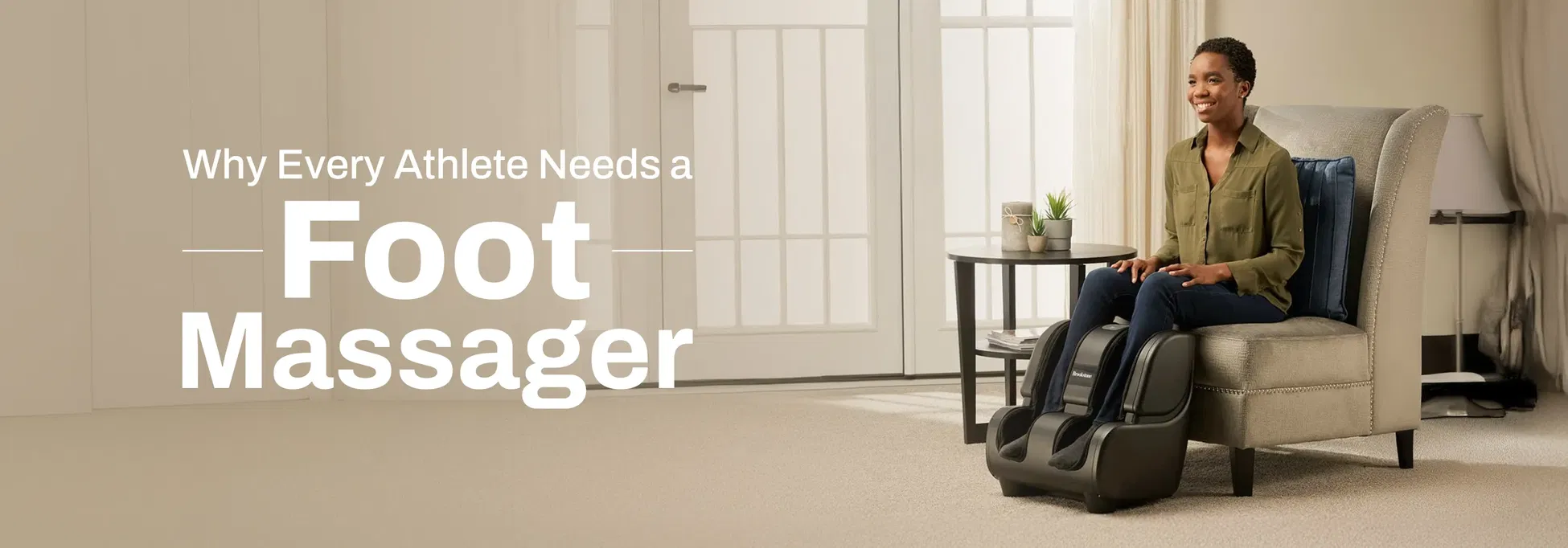
Why Every Athlete Needs a Foot Massager?
Athletes push their bodies to the limit every single day. While most focus on training their core, arms, and legs, they often overlook one of the most crucial parts of their anatomy � their feet. Your feet bear the entire weight of your body during every sprint, jump, and landing. They absorb tremendous impact forces that can accumulate over time, leading to fatigue, pain, and potential injuries.
Smart athletes understand that recovery plays just as important a role as training itself. This understanding has led many professional and amateur athletes to discover the transformative power of foot massagers. These devices offer targeted relief that helps athletes maintain peak performance while preventing common foot-related injuries.
The Science Behind Foot Massage and Athletic Performance
Your feet contain over 100 muscles, tendons, and ligaments working together in perfect harmony. During intense physical activity, these structures experience micro-trauma and inflammation. Without proper recovery protocols, this damage accumulates and eventually impacts your performance.
Research shows that massage therapy increases blood circulation by up to 30%, delivering oxygen and nutrients to damaged tissues while removing metabolic waste products. When you apply this principle specifically to your feet, you accelerate the natural healing process that occurs during rest periods.
Athletes who incorporate regular foot massage into their recovery routine report significant improvements in several key areas:
- Reduced muscle tension and stiffness
- Improved flexibility and range of motion
- Enhanced blood circulation
- Decreased recovery time between training sessions
- Better sleep quality due to reduced discomfort
Why Traditional Recovery Methods Fall Short?
Many athletes rely solely on ice baths, stretching, and rest days for recovery. While these methods provide benefits, they don't address the specific needs of your feet. Ice baths reduce inflammation but don't improve circulation. Stretching helps with flexibility but doesn't release deep muscle tension. Rest allows healing but doesn't actively promote it.
Foot massagers fill this critical gap by providing targeted therapy that addresses multiple recovery needs simultaneously. They combine the benefits of improved circulation, muscle relaxation, and pain relief in a single, convenient treatment.
Key Benefits for Athletes
- Enhanced Recovery Speed: Foot massagers stimulate blood flow, delivering healing nutrients to tired muscles while removing lactic acid buildup. This accelerated circulation process significantly reduces recovery time between training sessions. Studies show athletes using foot massage therapy recover 40% faster than those relying on passive rest alone.
- Injury Prevention: Regular foot massage keeps muscles supple and flexible, preventing common athletic injuries like plantar fasciitis and Achilles tendonitis. Well-maintained feet also improve proprioception, leading to better balance and coordination during competition. This proactive approach stops minor tension from developing into serious injuries.
- Improved Sleep Quality: Foot massage triggers endorphin release and reduces cortisol levels, promoting deeper, more restorative sleep. Athletes with relaxed, pain-free feet fall asleep faster and experience fewer sleep disruptions. Better sleep quality directly translates to improved performance and faster recovery times.
- Stress Relief and Mental Recovery: Foot massage activates the parasympathetic nervous system, promoting relaxation and reducing stress hormones throughout the body. This mental break helps athletes process daily training stress and prepare mentally for upcoming challenges. The combination of physical relief and mental relaxation creates optimal conditions for peak performance.
Types of Foot Massagers for Athletes
- Electric Foot Massagers: These devices use motors to provide consistent, powerful massage pressure. They typically feature multiple massage nodes that target different pressure points simultaneously. Electric massagers offer the advantage of consistent pressure without requiring any effort from the user.
- Heat Therapy Massagers: Heat therapy improves blood circulation and helps relax tight muscles more effectively than massage alone. These devices combine gentle warmth with massage pressure to provide deeper muscle relaxation and faster recovery.
- Shiatsu Massagers: Inspired by traditional Japanese massage techniques, shiatsu massagers use rotating nodes to apply deep pressure to specific points on your feet. This style is particularly effective for releasing tension in the arch and heel areas where athletes commonly experience tightness.
- Compression Massagers: These devices use air pressure to squeeze and release your feet and calves rhythmically. Compression massage is excellent for improving circulation and reducing swelling after intense training sessions.
Top Foot Massager Recommendations
Based on features that matter most to athletes, here are some excellent options available at fitnesspowerhouse.com:
- Rotai Foldable Hydro Foot Massager With Heat: This innovative massager combines water therapy with heat for ultimate relaxation. The foldable design makes it perfect for athletes who travel frequently for competitions.
- Rotai Two-in-one Stylish Foot & Calf Massager: This comprehensive device targets both feet and calves, making it ideal for runners and athletes who experience lower leg tightness.
- Zeitaku Lefuul 3D Delux Foot Massager: This premium option offers 3D massage technology that adapts to your foot shape for personalized treatment. Perfect for athletes who want professional-grade massage therapy at home.
- Nourest 3-in-1 Comfort F1 Foot Massager: This versatile device serves as both a foot massager and comfortable ottoman, making it perfect for athletes who want to multitask during recovery sessions.
When to Use Your Foot Massager?
- Post-Workout Recovery: The ideal time for foot massage is within 30 minutes after finishing your workout. Your muscles are still warm, making them more responsive to massage therapy. This timing also helps prevent lactic acid buildup and reduces next-day soreness.
- Pre-Competition Preparation: A gentle 10-15 minute foot massage before competition can improve circulation and mental focus. Avoid deep pressure before events, as this might cause temporary soreness.
- Daily Maintenance: Many professional athletes incorporate brief daily foot massage sessions into their routine, even on rest days. This consistent approach maintains optimal foot health and prevents minor issues from becoming major problems.
- Recovery Days: Extended 20-30 minute sessions on rest days provide deeper therapeutic benefits and promote active recovery.
Maximizing Your Foot Massager Benefits
- Start Gradually: Begin with shorter sessions (5-10 minutes) at lower intensity settings. Your feet need time to adapt to the increased circulation and pressure.
- Stay Hydrated: Massage therapy increases circulation and lymphatic drainage. Drinking plenty of water helps your body process and eliminate the toxins released during massage.
- Combine with Stretching: Use your massage session as an opportunity to perform gentle foot and ankle stretches. The increased circulation will make stretching more effective.
- Listen to Your Body: While some muscle tension is normal, sharp pain indicates you should reduce intensity or consult a healthcare provider.
- Maintain Consistency: Regular use provides better results than occasional intensive sessions. Aim for daily use, even if only for a few minutes.
The Investment in Your Athletic Future
Quality foot massagers represent an investment in your long-term athletic success. When you consider the cost of physical therapy sessions, missed training days due to injury, or reduced performance from chronic foot problems, a good foot massager pays for itself quickly.
Professional athletes spend thousands of dollars on recovery tools and services. A home foot massager gives you access to professional-grade therapy whenever you need it, making it one of the most cost-effective recovery investments you can make.
Your feet are the foundation of your athletic performance. They deserve the same attention and care you give to other crucial muscle groups. By incorporating regular foot massage into your recovery routine, you'll experience faster recovery, fewer injuries, and improved performance that can take your athletic achievements to the next level.
Don't let foot fatigue and tension hold back your athletic potential. Invest in a quality foot massager today and discover the difference proper foot care can make in your training and competition results.
 مساعدة